Comparative genomic analysis of copepod humoral immunity genes with sex-biased expression in Labidocera rotunda
Jun J, Kim EJ, Jeon D, Yang J, Jeong HG, Kim T, Eyun S
Journal of Invertebrate Pathology 206:108198 
— Figures and Tables (Colored and High resolution) —
-
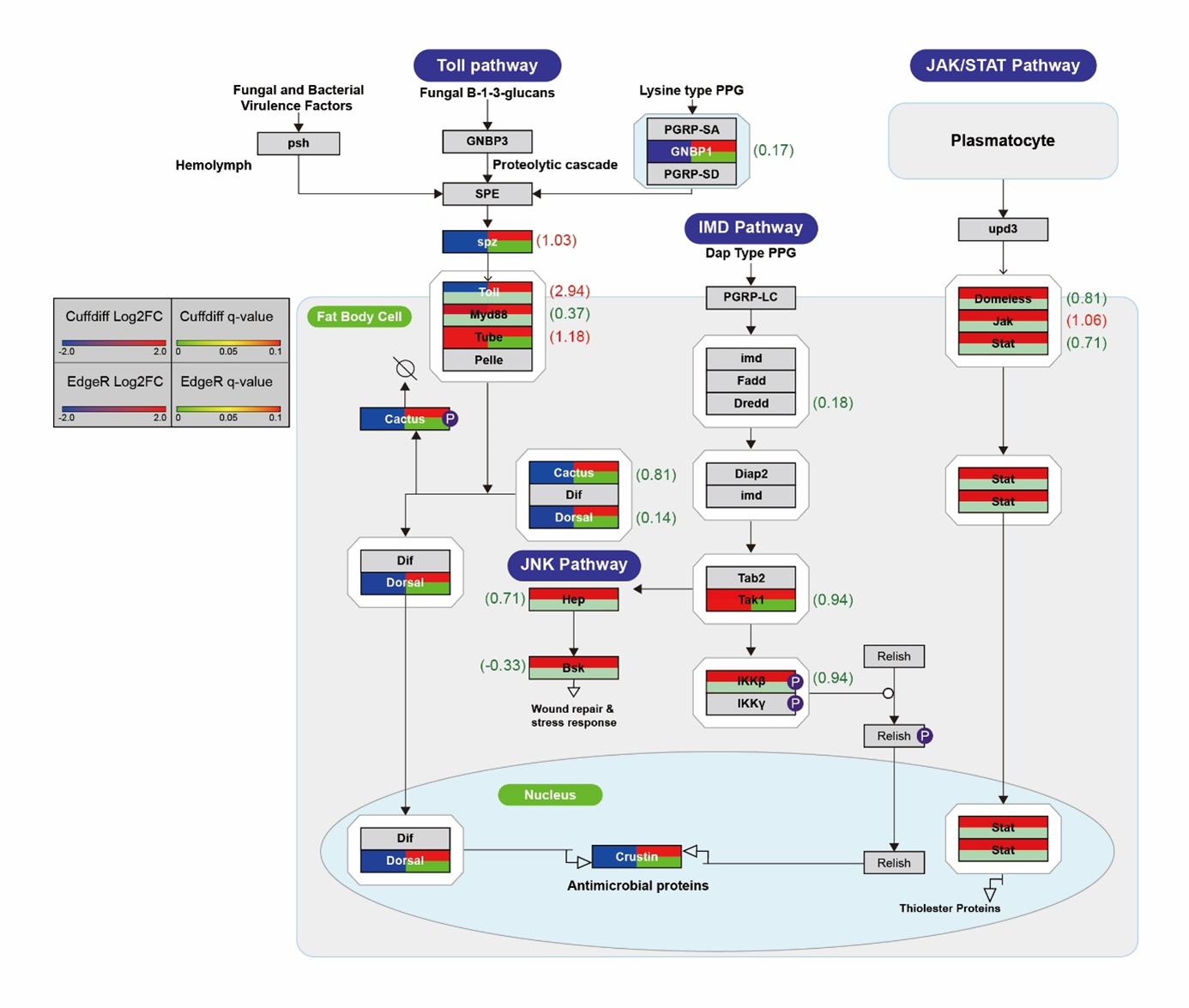
Fig. 1. Humoral immunity pathway-associated DEG analysis between sexes. Schematic depicts the predicted humoral innate immunity-related pathway of L. rotunda with DEG analysis results. The colored squares indicate differential gene expression levels between sexes in the log2FC scale and q-value. The expression levels that were omitted in EdgeR are depicted in light green. The pathway was based on the D. melanogaster humoral innate immunity-related pathway (Igboin et al., 2012). Parentheses indicate D. melanogaster differential expression levels between males and females (log2FC scale) (Gnad and Parsch, 2006).
-
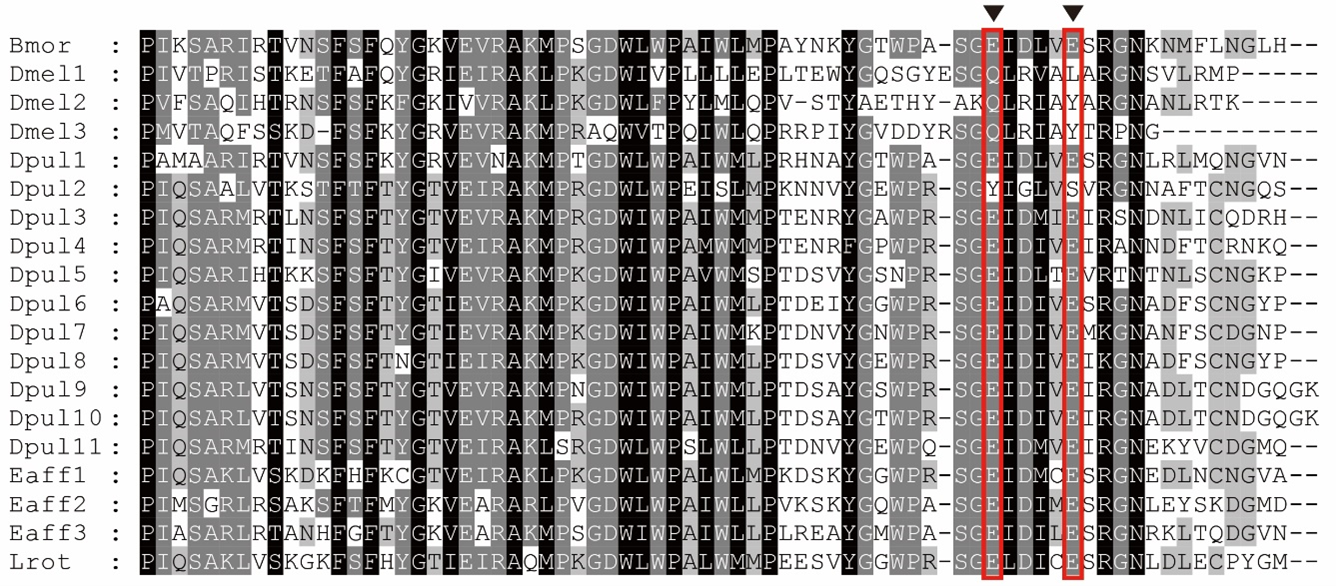
Fig. 2. Comparative analysis of the catalytic activity of copepod and Drosophila GNBPs. Multiple sequence alignment was performed using the l-INS-I method on 19 GH16 domains from GNBPs of Bombyx mori (Bmor), D. melanogaster (Dmel1-Dmel3), D. pulex (Dpul1-Dpul11), E. affinis (Eaff1-Eaff3), and L. rotunda (Lrot). The two conserved E residues indicated the GNBPs of copepods and most of D. pulex possessed catalytic activity, unlike D. melanogaster. The sequences comprising the multiple sequence alignment are noted in Supplementary Table 4 except for B. mori (NP_001159614.1) and D. melanogaster (FBpp0074817, FBpp0074861, and FBpp0076237).
-
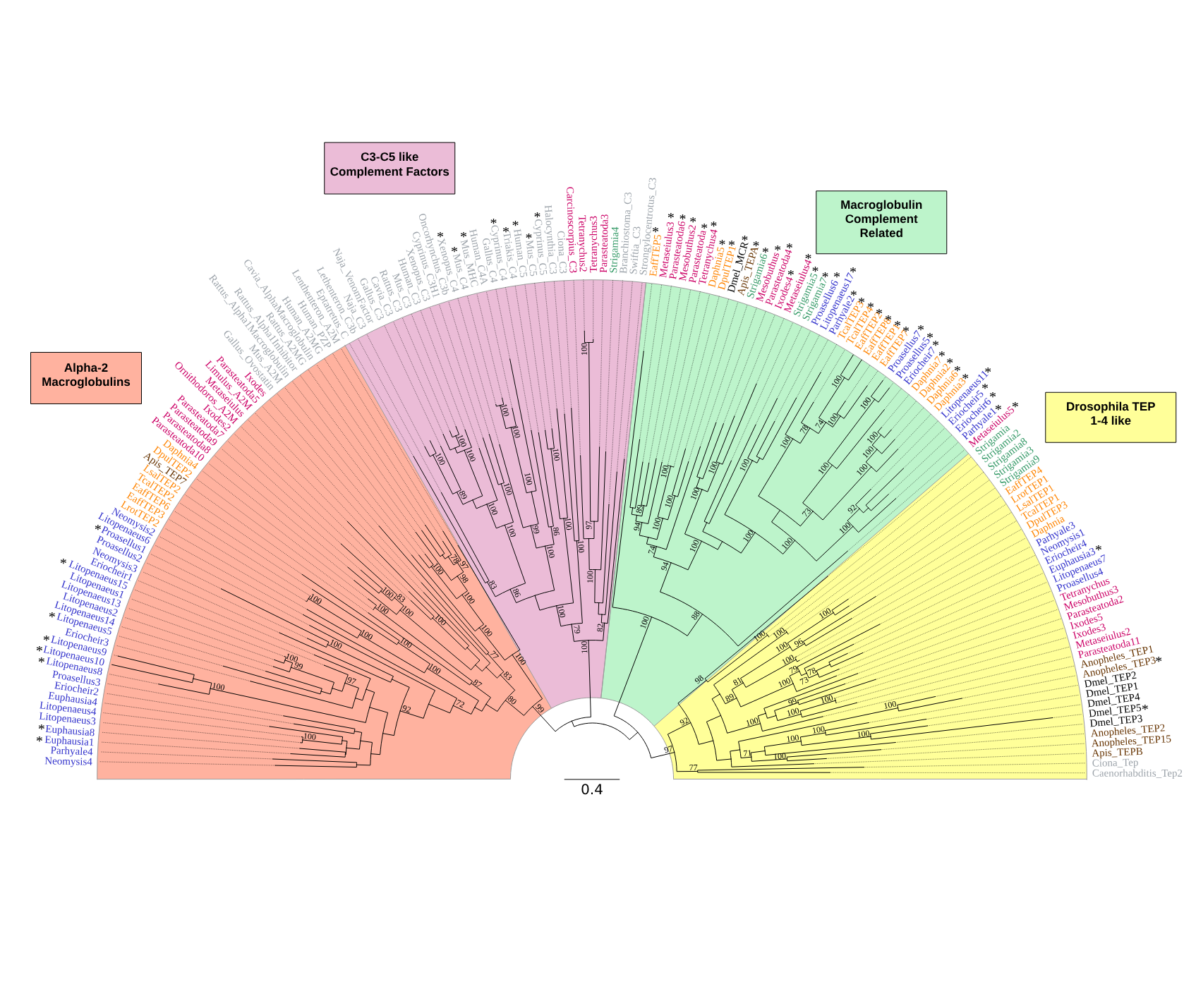
The arthropod TEP gene trees diverged into 4 subfamilies. A total of 158 TEPs were used to construct a midpoint tree (WAG + F + I + G4 model). The genes without a thioester motif were denoted with an “*”. Sequences included non-arthropod TEPs (mainly vertebrates; gray), chelicerates (purple), malacostraca (blue), insects (brown; except for D. melanogaster), and copepods (including D. pulex; yellow). All arthropods except for L. rotunda and L. salmonis contained at least one copy of an MCR subfamily-type TEP. The non-arthropod, chelicerate sequences were referenced from previous studies (Palmer and Jiggins, 2015). The malacostraca sequences were retrieved from a previous study (Lai and Aboobaker, 2017) and filtered by domain composition (only A2M_comp-containing (pfam07678) or A2M_2 (cd02897) domains remained). The sequences of D. pulex were derived from both the present study and a previous study (Palmer and Jiggins, 2015). Bootstrap values ≥ 70 were noted. (Palmer and Jiggins, 2015).
-
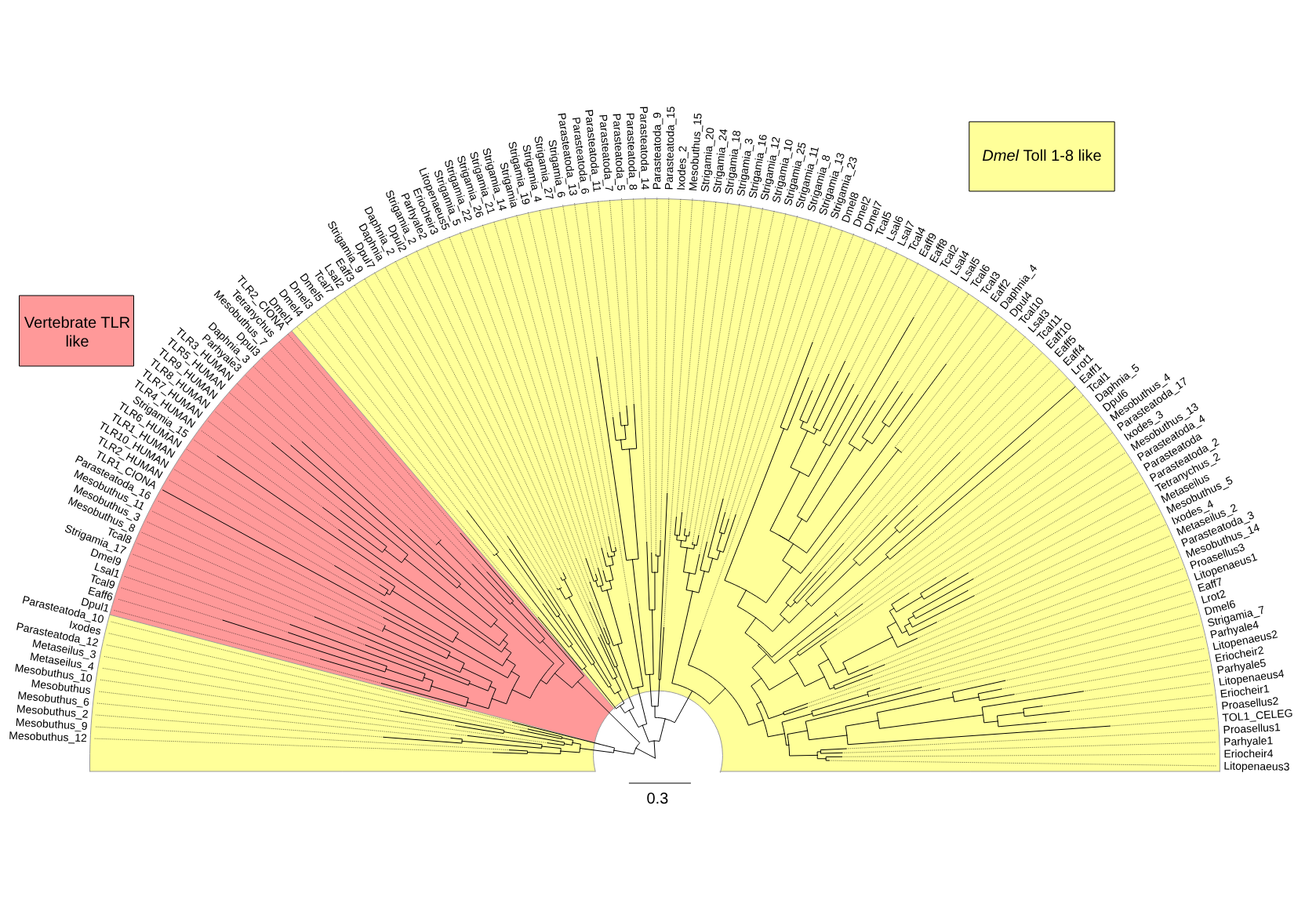
Phylogenic tree built from Arthropod TIR domains. The maximum-likelihood tree (LG + G4) was built from a total of 149 TIR domains of Arthropod and Mammalian TLR sequences. There were no clear homologs of D. melanogaster Toll 1 among copepod TLRs. In addition, the tree revealed that four copepod TIR domain sequences belonged to the vertebrate TLR-like subfamily (Tcal8, Lsal1, Tcal9, and Eaff6). The TIR domains from copepods, malacostracans, and D. pulex were retrieved by SMART. Other TIR domain sequences were referenced from a previous study (Palmer and Jiggins, 2015). The D. pulex TIR domain sequences from (Palmer and Jiggins, 2015) were also used to construct the tree (indicated as Daphnia in Fig. 3.).
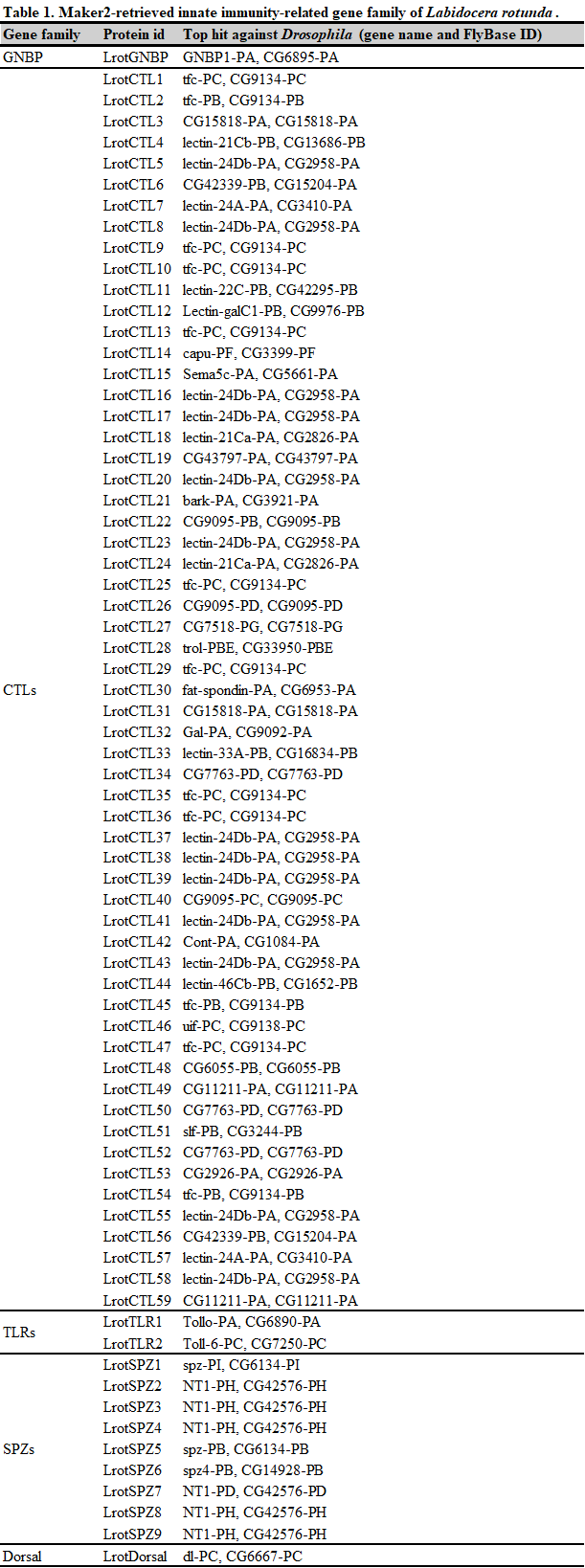
Table 1. Maker2-retrieved innate immunity-related gene family of Labidocera rotunda.
-
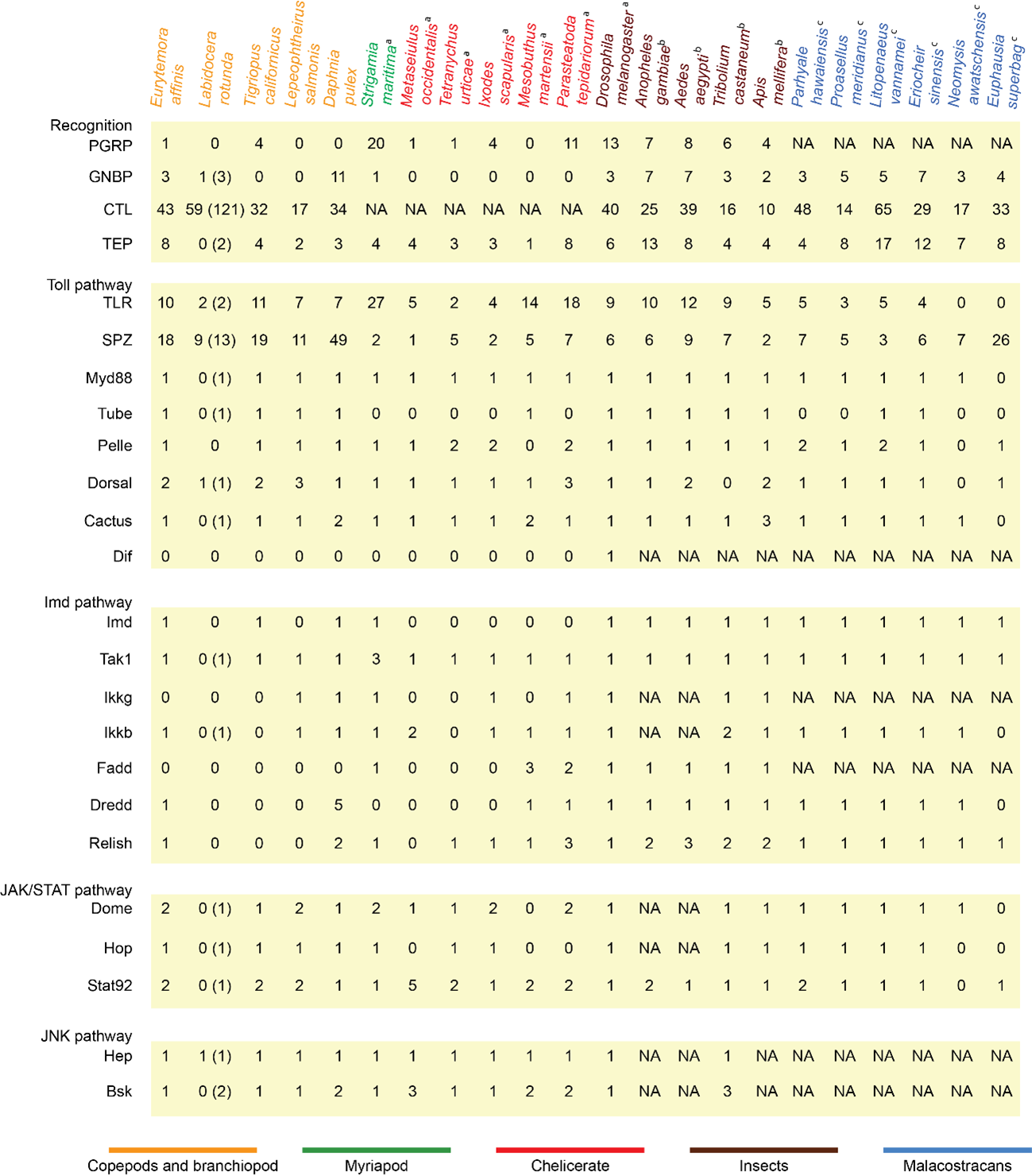
Table 2. Comprehensive gene families from genomes and transcriptomes determined in this study and 17 other previously sequenced arthropods. Gene copy numbers were analyzed across 22 arthropods. This study determined the gene copy numbers for copepods and D. pulex. The transcript numbers of L. rotunda are shown in parenthesized. Proteins encoded by a single locus were counted as a single gene based on NCBI gene and protein information. Species are color-coded as follows: red for copepods and a branchiopod (D. pulex), blue for malacostracans, brown for chelicerates, green for insects, and purple for myriapods. Gene copy numbers for other arthropods were obtained from the following references; aLai and Aboobaker (2017), bPalmer and Jiggins (2015), cMcTaggart et al. (2009).
-
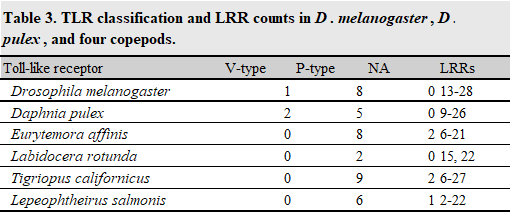
Table 3. TLR classification and LRR counts in D. melanogaster, D. pulex, and four copepods. The domain composition and LRR numbers of the D. melanogaster genome were derived from a previous study (Imler and Hoffmann, 2001). TLRs that lack any cysteine motif were counted as NA (not applicable).
-
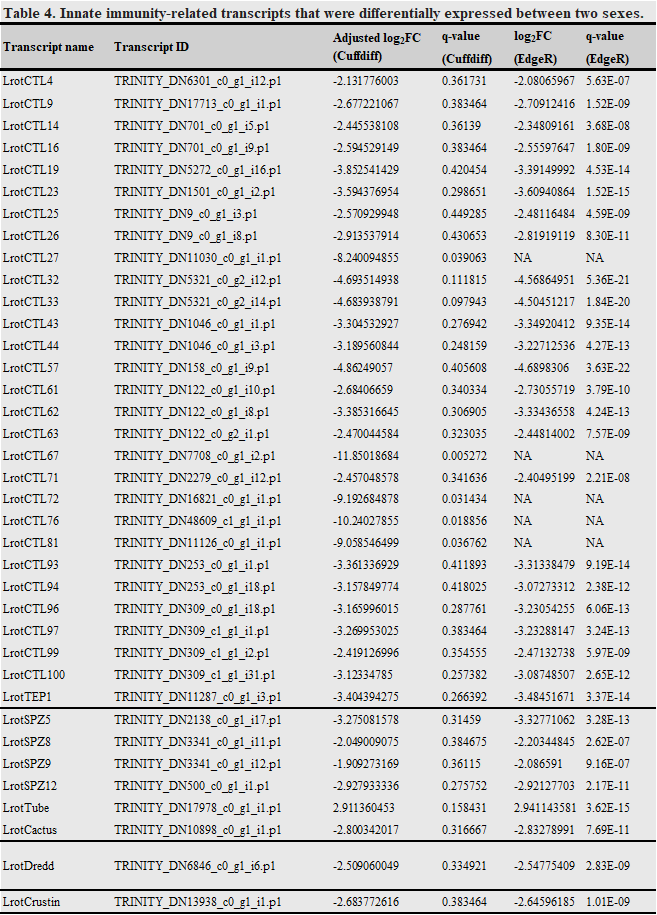
Table 4. Innate immunity-related transcripts that were differentially expressed between two sexes. All FPKM were adjusted by adding 0.01 to both male and female expression values to prevent division by zero. The log2FC was also recalculated according to adjusted FPKM values. We set the thresholds for significance for differential expression between sexes at |log2FC| ≥> 2 and q-value < 0.05.
— Supplemental Figures and Tables (Colored and High resolution) —
-
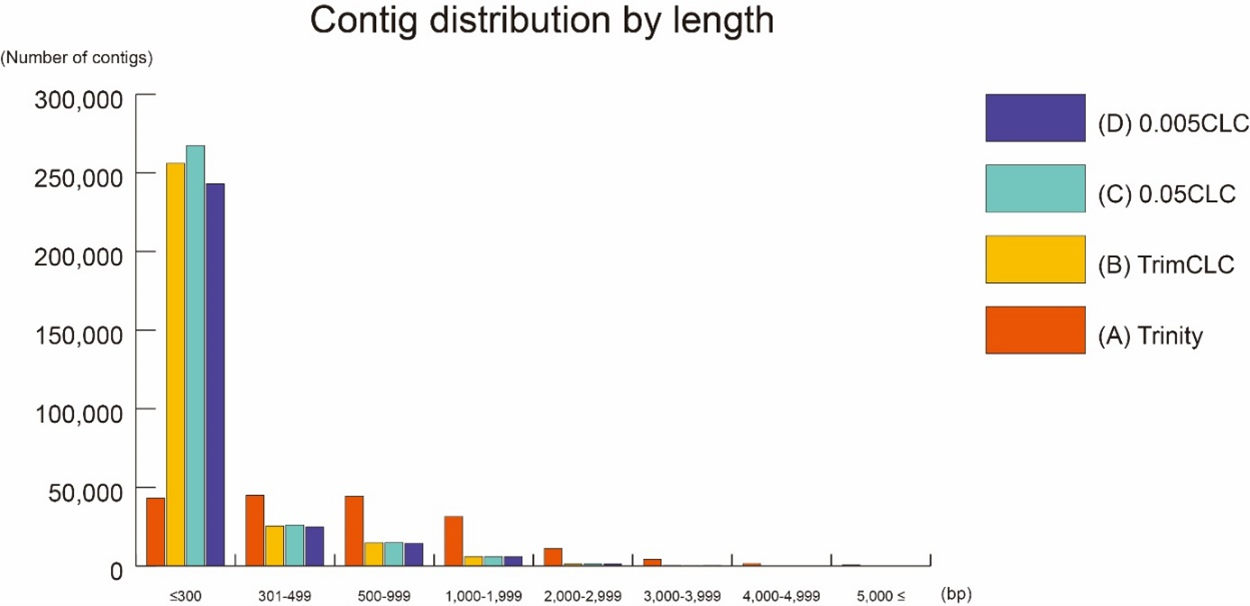
Supplementary Figure 1. Detailed contig distribution by length. The length of assembled contigs showed diverse distribution for each strategy (see Materials and Methods). Among the four assemblies, the number of contigs >1,000 bp was up to 7 times larger in (A) than in (B), (C), or (D). The contigs of CLC assemblies (B-D) largely consisted of short-length contigs (≤ 300 bp).
-
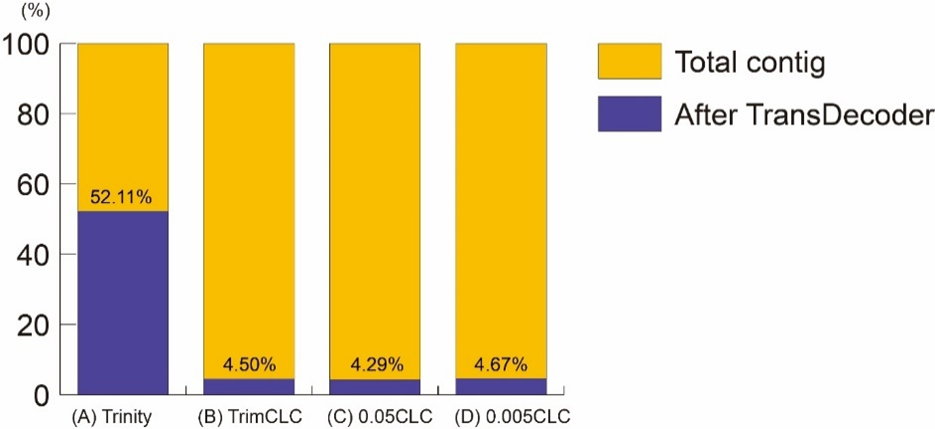
Supplementary Figure 2. Histogram comparing total contig numbers before and after open reading frame (ORF) identification. ORF identification by TransDecoder revealed that assembly (A) contained 52.11% of ORF containing contigs, whereas the CLC assemblies (B-D) contained 4.29% to 4.67% of ORF containing contigs, respectively.
-
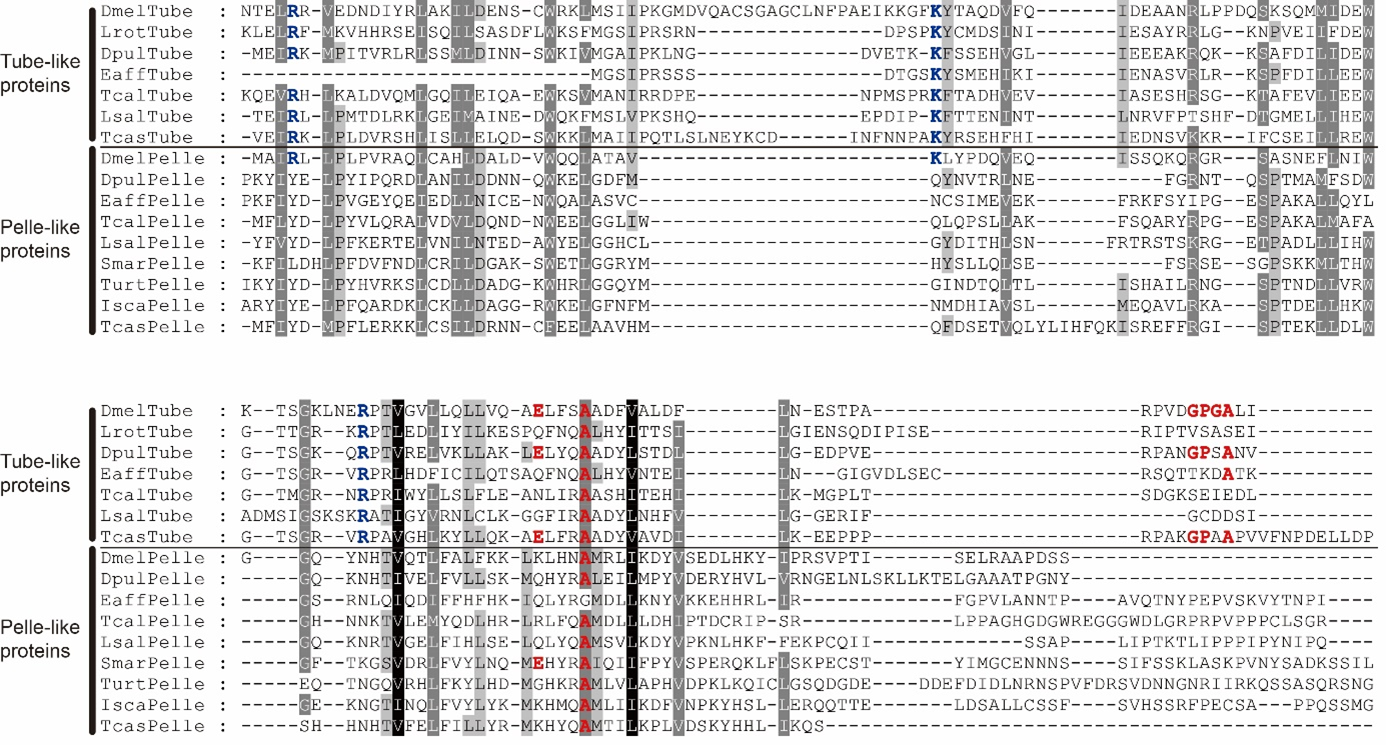
Supplementary Figure 3. Residues required for binding to MyD88 (blue) and for binding to Pelle (red). Multiple sequence alignments showed that the Death domain of the Tube-like proteins contained conserved residues that are necessary to bind MyD88, which differentiated them from Pelle-like proteins. The sequences of Drosophila melanogaster (DmelTube and DmelPelle), Tribolium castaneum (TcasTube and TcasPelle), Strigamia maritima (SmarPelle), Tetranychus urticae (TurtPelle), and Ixodes scapularis (IscaPelle) were retrieved from Palmer and Jiggins (Palmer and Jiggins, 2015), Flybase (FBpp0291542, FBpp0306780), and the NCBI database (XP_008198084.1, XP_015836220.1).
-
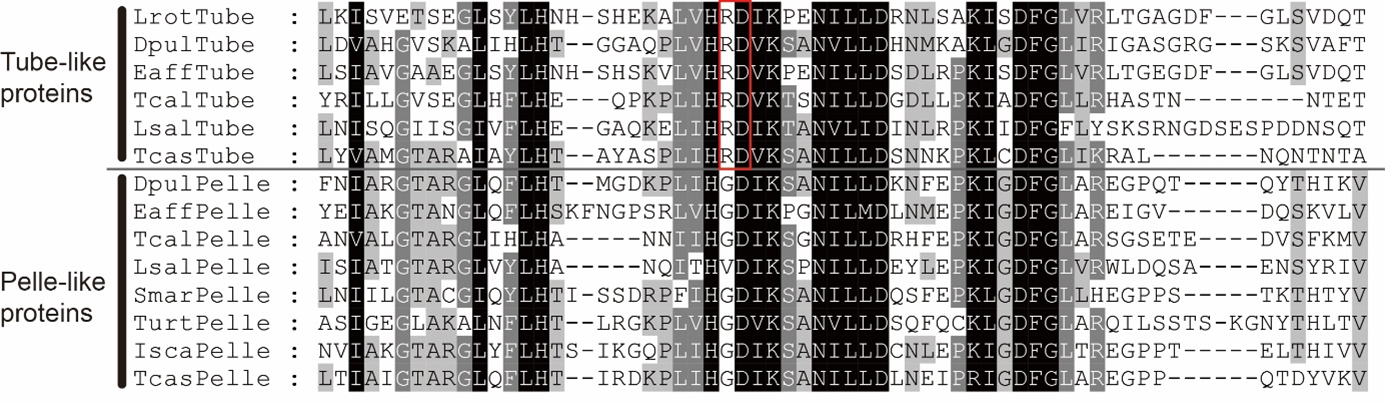
Supplementary Figure 4. Kinase domain of arthropod Tube and Pelle. Multiple sequence alignment revealed that copepod Tube-like proteins also possessed the key marker RD residue for loop phosphorylation activation, which made them cleary distinguishable from the Pelle-like proteins. The sequences of Tribolium castaneum (TcasTube, TcasPelle), Strigamia maritima (SmarPelle), Tetranychus urticae (TurtPelle), and Ixodes scapularis (IscaPelle) were retrieved from Palmer and Jiggins (Palmer and Jiggins, 2015) and the NCBI database (XP_008198084.1, XP_015836220.1).
-
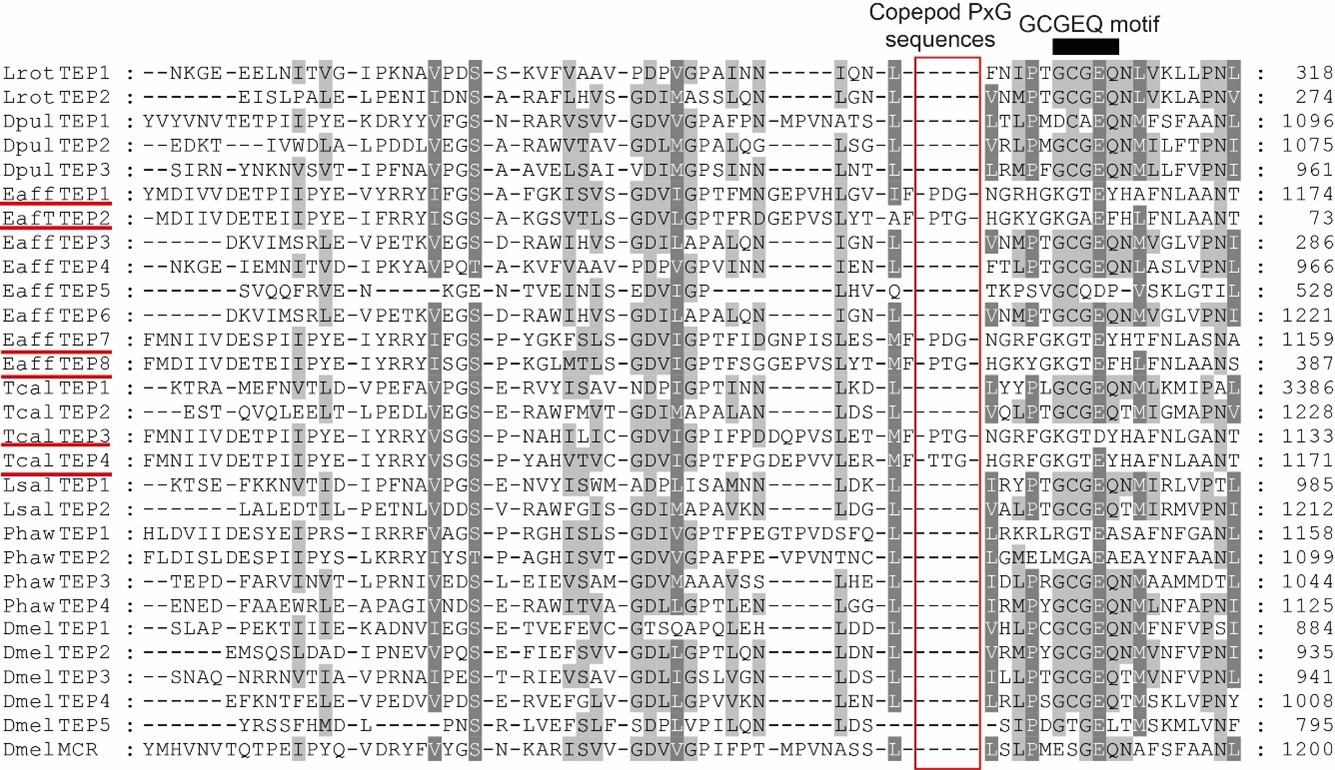
Supplementary Figure 5. Non-canonical sequences preceding the GCGEQ motif of copepod TEPs. The multiple sequence alignment of 158 arthropod TEPs indicated a copepod TEP GCGEQ motif. Species included in the analysis were Labidocera rotunda (LrotTEP1, LrotTEP2), Daphnia pulex (DpulTEP1-DpulTEP3), Eurytemora affinis (EaffTEP1-EaffTEP8), Tigriopus californicus (TcalTEP1-TcalTEP4), Lepeophtheirus salmonis (LsalTEP1, LsalTEP2), Parhyale hawaiensis (PhawTEP1-PhawTEP4), and Drosophila melanogaster (DmelTEP1-DmelTEP5 and DmelMCR). The four TEPs of E. affinis (XP_023324077.1, XP_023330073.1, XP_023342852.1, and XP_023346769.1) and two of T. californicus (TRY72565.1 and TRY74425.1) showed the non-canonical PxG sequences upstream of the GCGEQ motif. The whole multiple sequence alignment can be found in Supplementary File 3.
-
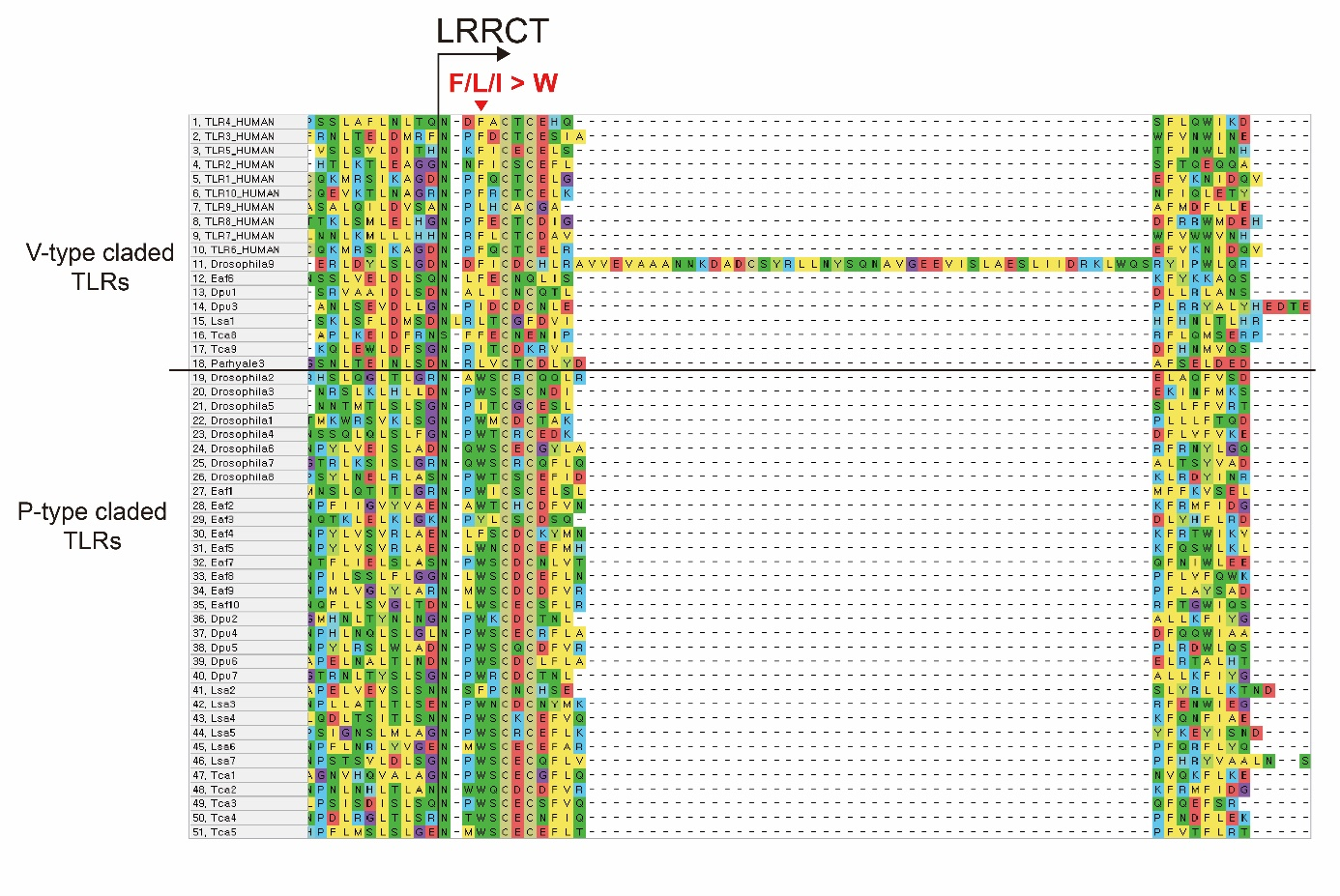
Supplementary Figure 6. Variation between vertebrate type (V-type) TLRs and protostome type (P-type) TLRs. The multiple sequence alignment from 73 TLRs revealed that TLRs claded into V-type from Figure 3 and TLRs claded into P-type contained amino acid variation patterns downstream of the LRRCT region (V-type: F/L/I and P-type: W). The predictions of the LRRCT regions from the alignment were conducted by SMART. The TLR sequences from (Palmer and Jiggins, 2015), (Lai and Aboobaker, 2017) were used and the sequence file can be found in Supplementary File 4.
-
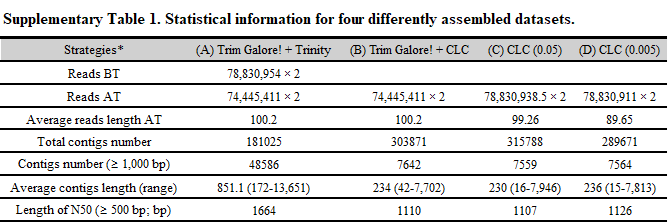
Supplementary Table 1. Statistical information for four differently assembled datasets. *BT: before trimming; AT: after trimming.
-
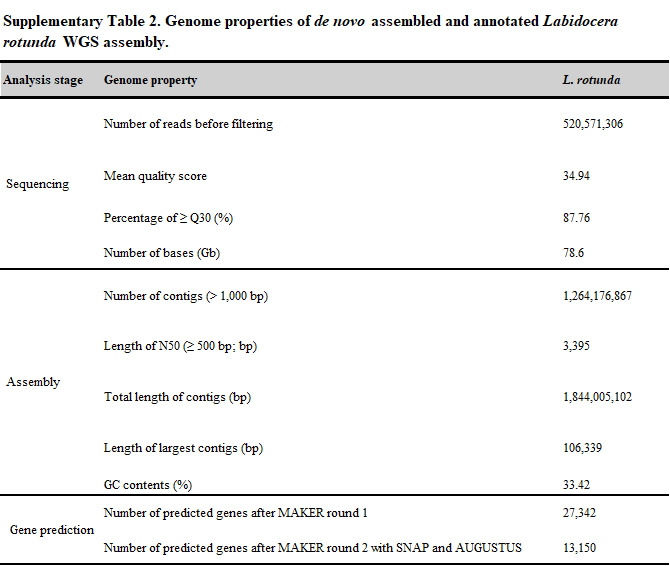
Supplementary Table 2. Genome properties of de novo assembled and annotated Labidocera rotunda WGS assembly.
-
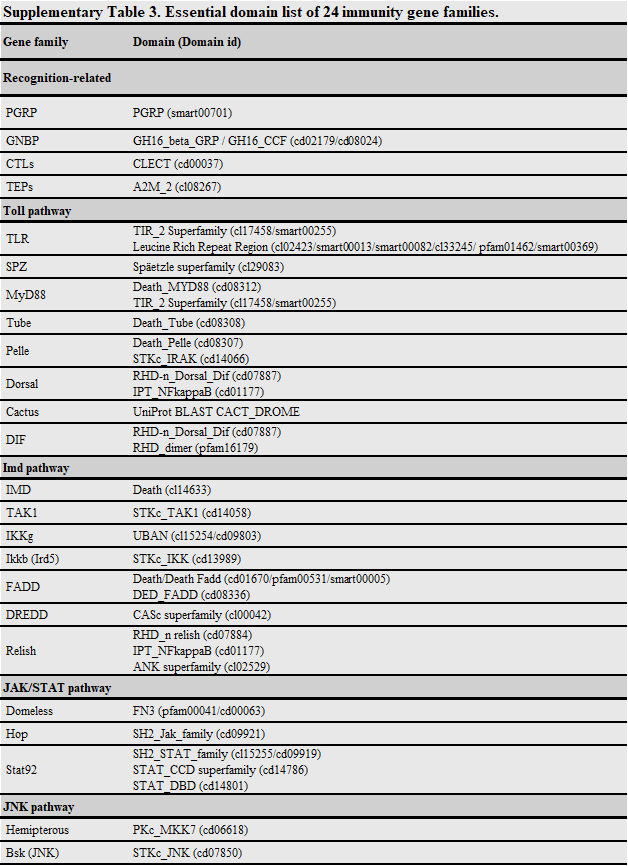
Supplementary Table 3. Essential domain list of 24 immunity gene families.
-
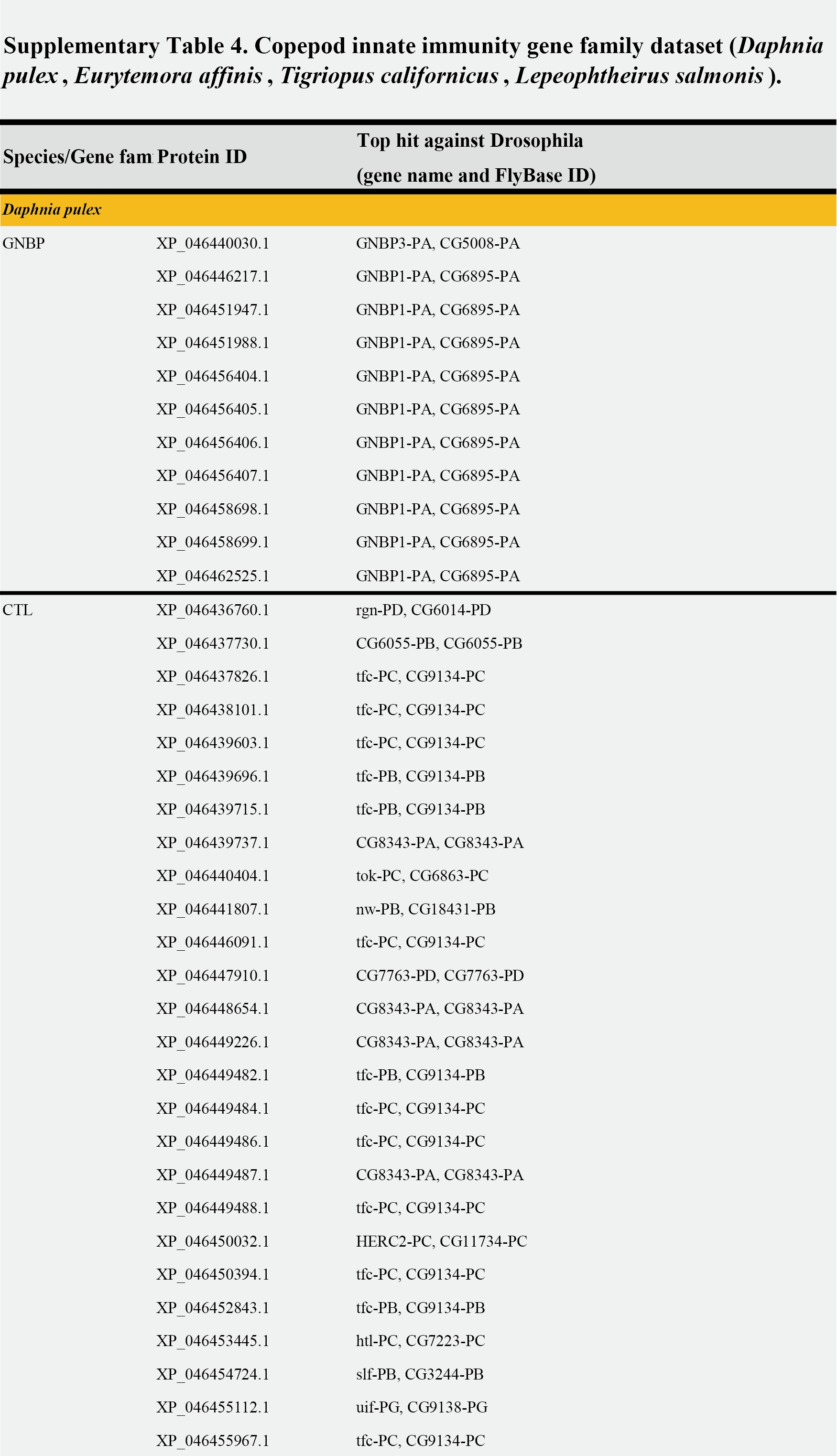
Supplementary Table 4. Copepod innate immunity gene family dataset (Daphnia pulex, Eurytemora affinis, Tigriopus californicus, Lepeophtheirus salmonis). The sequence of TRY72973.1 is colored in red due to its lack of clect domain (SMART; Letunic et al., 2020).
-
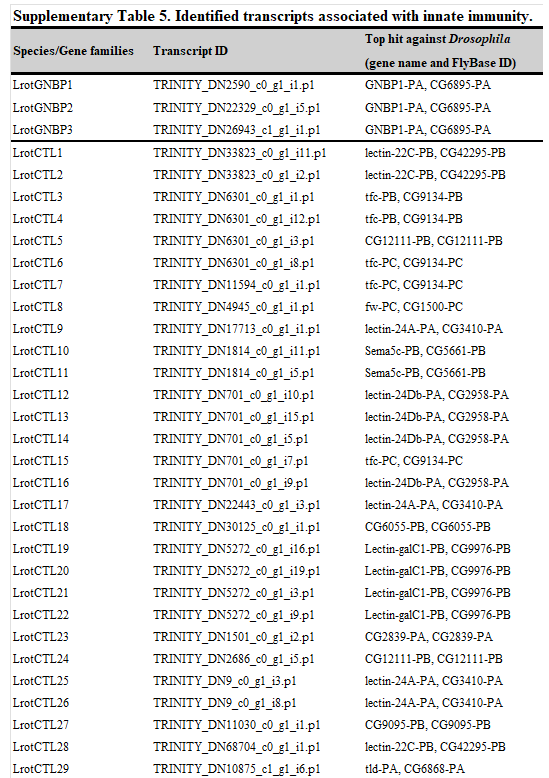
Supplementary Table 5. Identified transcripts associated with innate immunity.
-
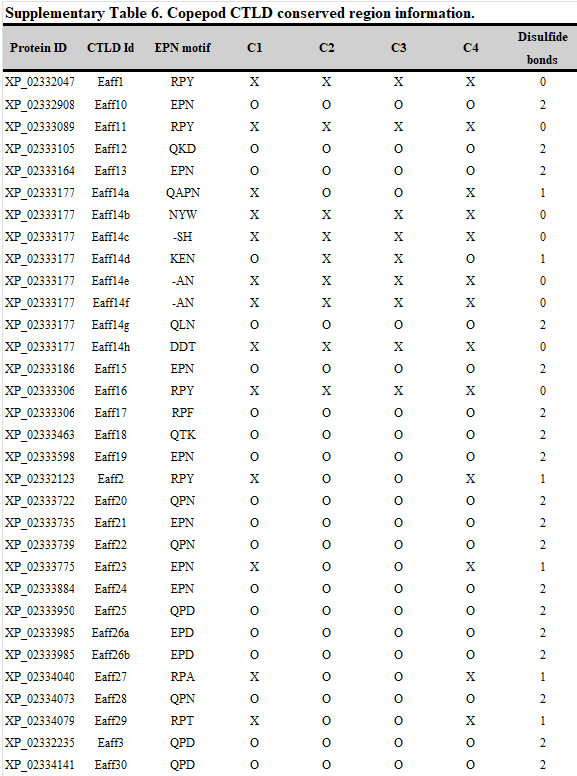
Supplementary Table 6. Copepod CTLD conserved region information.
— Supplemental Files —
— Copepod Sequences Used —



